Whole-structure thermal bed bug remediation addresses the failure rates associated with traditional synthetic pyrethroid sprays, which encounter significant insect resistance in modern populations of Cimex lectularius.…
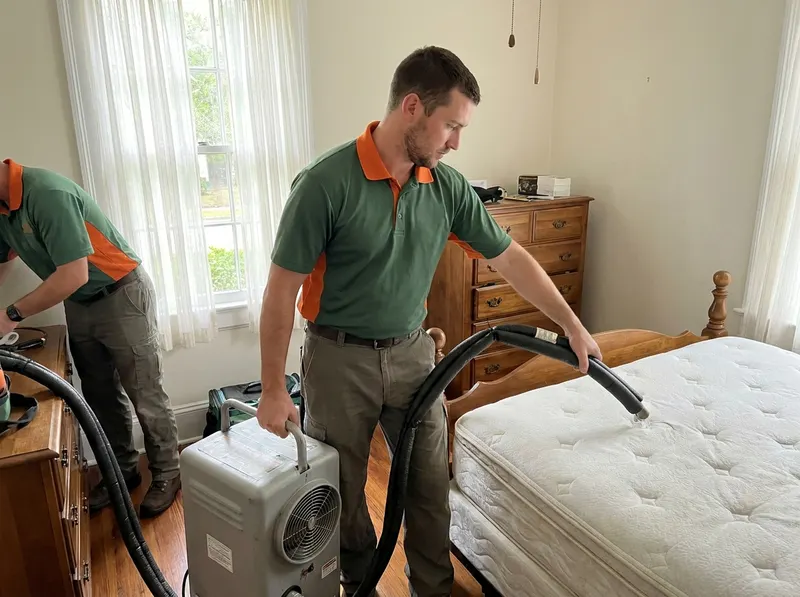
Whole-structure thermal bed bug remediation addresses the failure rates associated with traditional synthetic pyrethroid sprays, which encounter significant insect resistance in modern populations of Cimex lectularius. In Charleston County structures, conventional chemical applications fail to reach bed bugs hiding within deep structural voids, such as the lathe-and-plaster wall assemblies found throughout Radcliffeborough and Harleston Village or beneath reclaimed heart-pine flooring in South of Broad residences. Structural heating forces heat directly into the thermal mass of the home. Industrial convective air heaters distribute controlled air through high-velocity circulation fans, raising the target zone temperature to lethal levels between 122°F and 135°F. Sustained exposure at these thresholds coagulates insect cellular proteins and desiccates biological membranes across every development cycle, including desiccation-resistant eggs.
Selecting thermal bed bug elimination over chemical fumigation or spot treatments depends on structural architecture and interior contents. If a home features uninsulated interior partition walls, tongue-and-groove flooring, or layered historic moldings, common in Hampton Park Terrace and Wagener Terrace, thermal remediation eliminates the harborages that liquid insecticides cannot reach. The operational trade-off centers on preparatory logistics rather than chemical toxicity. Residents must remove heat-sensitive items, including aerosol cans, low-melt wax candles, acoustic musical instruments, oil paintings, and prescription medications, prior to equipment deployment. Thermal methods require zero post-treatment pesticide ventilation periods, allowing structural re-entry as soon as temperatures drop below 85°F.
Subterranean coastal conditions introduce unique atmospheric variables to heat remediation across the Lowcountry. In slab-on-grade developments in Daniel Island or elevated pier-and-beam properties along marsh borders in West Ashley and James Island, ambient relative humidity slows the rate of heat absorption into dense subflooring. Precision placement of remote thermocouple sensors ensures structural cores reach lethal temperature thresholds before timing cycles begin. Technicians monitor thermal gradients across exterior baseboards, window casings, and subfloor joists above humid crawlspaces. This scientific calibration guarantees lethal thermal saturation throughout historic millwork and crawlspace perimeters without risking thermal deformation to historical materials.
Every job gets a firm, written price after a free on-site visit.
Tell us about your thermal bed bug elimination job in Charleston and we'll send a clear, written quote, usually the same day.
 Zorvexa Pest Solutions